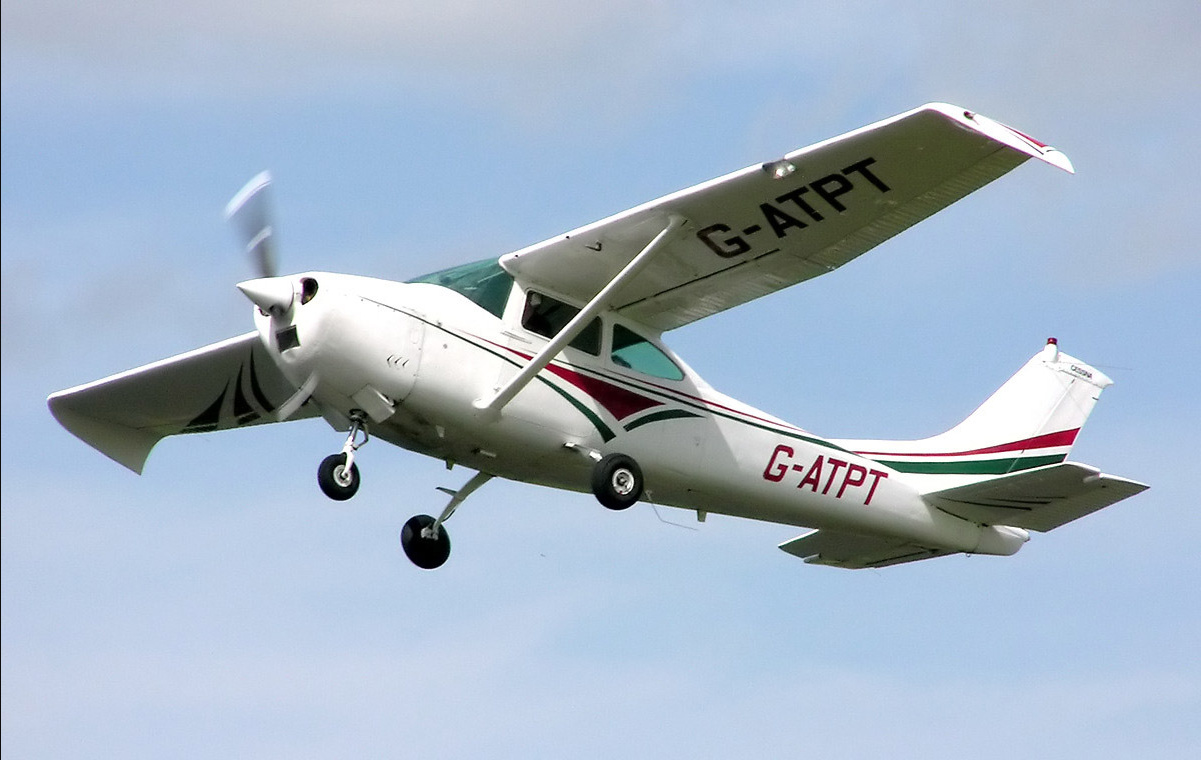
Cessna 182 Skylane
This is Flying Tails' original, primary workhorse, referred to simply as "the Cessna" or "the plane" across most of the channel's history (from "Best of Flying Tails 2019" through "Grounded!," where it's laid up for maintenance, and explicitly named in "Flying Tails TV Show Aerials"). It's a four-seat, high-wing, single-engine piston aircraft powered by a Continental O-470-L, cruising around 139 knots with roughly a 560-nautical-mile range and about 1,110 lbs of useful load. That combination of a forgiving high-wing platform, real cargo room, and modest short-field manners is exactly why it became the default rescue plane: it can carry a pilot, a few crates of animals, and still get in and out of the small regional airports rescue partners typically use.
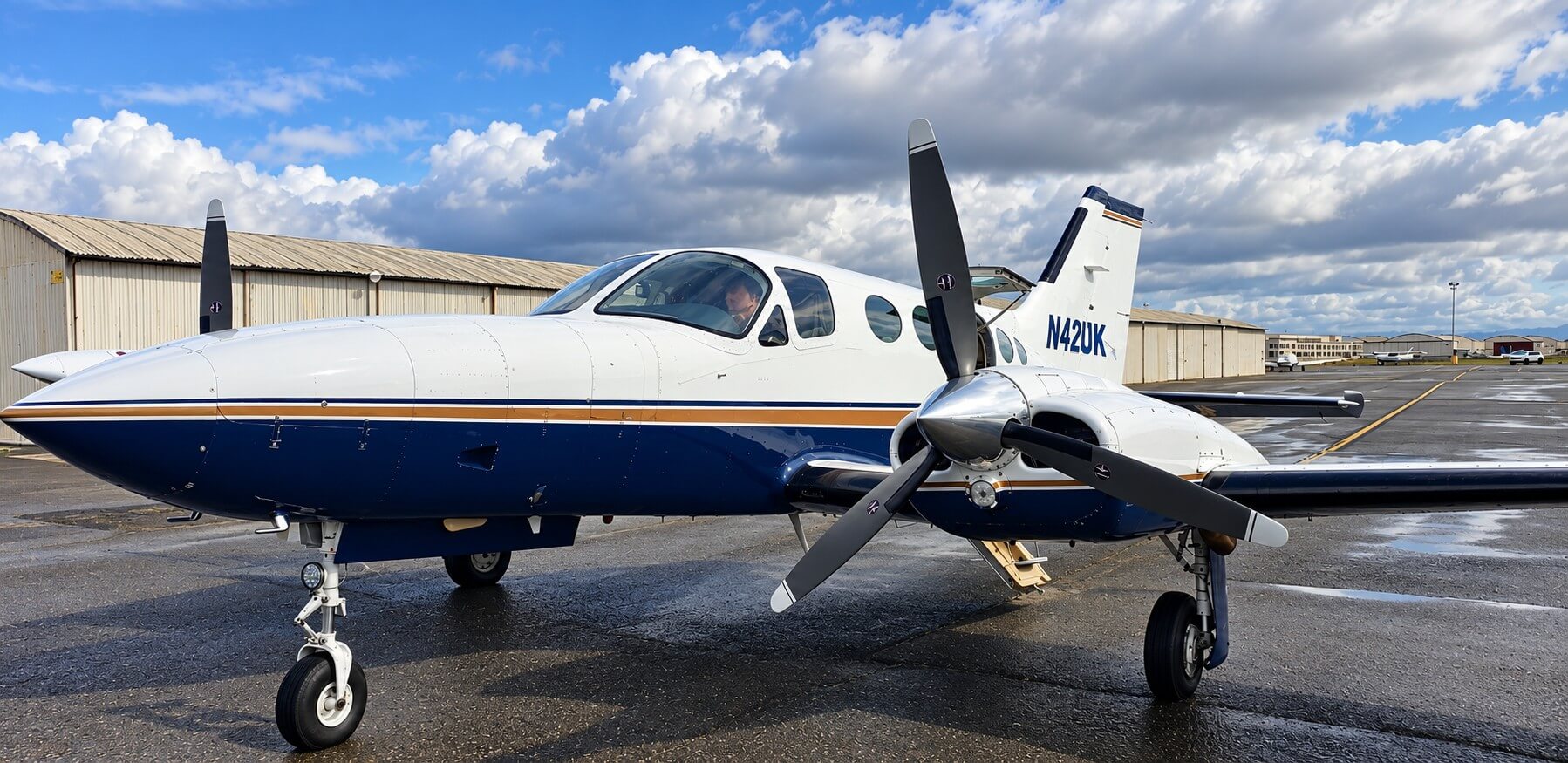
Cessna 421 "Golden Eagle"
This is the newer addition to the fleet, donated by supporter Lance Aamot and introduced around the Palisades Fire response referenced on the website and in "Flying Tails LA Airlift" (the mission that used five planes total to move dogs out of LA shelters). It's a twin-engine, pressurized aircraft with two 375-hp Continental GTSIO-520 engines, cruising near 240 knots with about a 1,487-nautical-mile range and roughly 2,900 lbs of useful load — a significant step up in speed, range, and payload over the 182. The pressurized cabin lets it fly higher and faster over weather, which is exactly the "increased range and payload" the organization cites for disaster-response missions that require covering more ground quickly with more animals or supplies aboard.
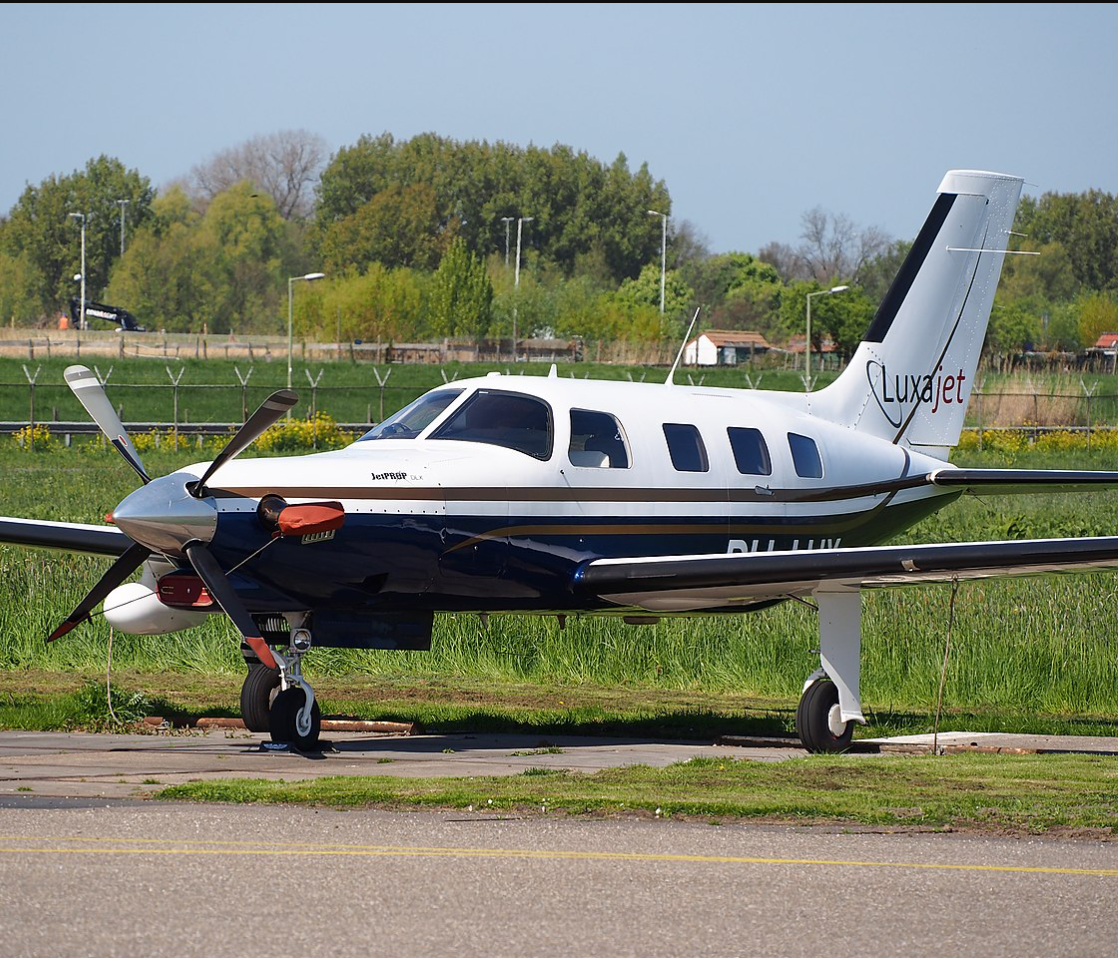
Piper M350 (PA-46-350P)
Featured in "New Plane For Puppies," this is the personal aircraft of Canine Companions puppy-raiser David Tuckerman, who uses it to help ferry future service dogs to their new homes rather than being part of Flying Tails' own fleet. It's a six-seat, single-engine piston aircraft with a 350-hp Lycoming TIO-540, cruising around 213 knots with a range near 1,343 nautical miles, and it holds the distinction of being the only pressurized piston single in production — giving a volunteer pilot airline-like cabin comfort and altitude capability without needing a turbine.
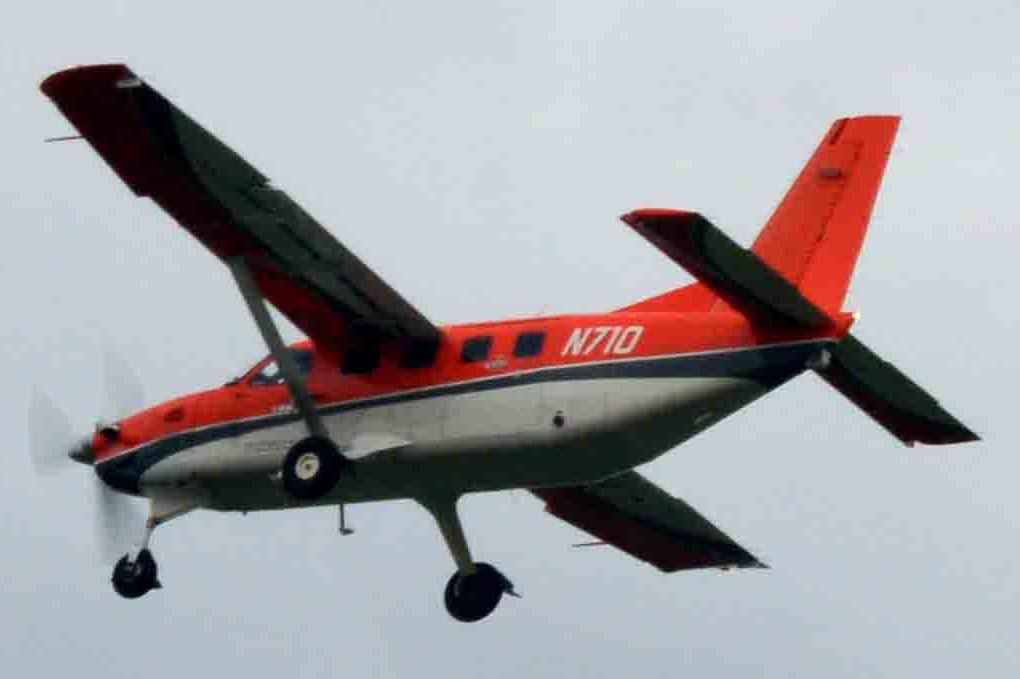
Quest Kodiak 100
Seen in "Kodiak to the Rescue!," flown from Palo Alto to San Diego County in winter instrument conditions carrying 18 rescue birds out and two 100-lb bear cubs plus a tiger salamander back. It's a rugged, high-wing turboprop utility aircraft powered by a 750-shp Pratt & Whitney PT6A-34, cruising around 183 knots with roughly a 1,132-nautical-mile range, seating up to nine passengers plus a pilot, and needing under 1,000 feet to take off or land. That short-field, all-weather toughness makes it well suited to exactly the kind of mission shown — hauling a large, heavy, mixed load of animals in and out of a marginal-weather day.